
Early Heart Attack Symptoms
Early heart attack symptoms can be subtle but life-threatening. Learn how to recognize the warning signs, including symptoms that may differ for men and women, and when to seek emergency care.
What Is EHAC?
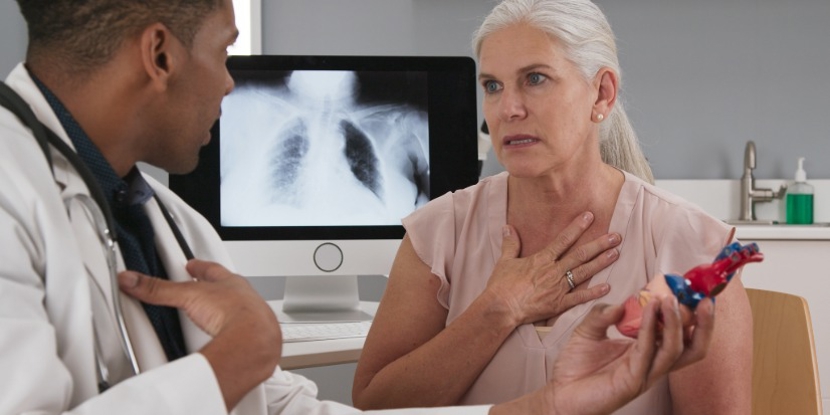
Early Heart Attack Care (or EHAC) education teaches you to recognize the early signs and symptoms of a heart attack. Why? We want you to be an active bystander so you can save a life - even if it’s yours.
Learn the Early Signs & Symptoms of a Heart Attack
- Feeling of fullness
- Pain that travels down one or both arms
- Jaw pain
- Excessive fatigue or weakness
- Anxiety
- Nausea or vomiting
- Back pain
- Shortness of breath
- Chest pressure, squeezing, aching, or burning
Men’s vs. Women’s Symptoms
Some heart attack symptoms can be different between men and women. Why does it matter? Women may be less likely to seek immediate medical care, which can cause more damage to the heart.
- Men normally feel pain and numbness in the left arm or side of the chest, but in women, these symptoms may appear on the right side.
- Women may feel completely exhausted, drained, dizzy, or nauseous
- Women may feel upper back pain that travels up into their jaw
- Women may think their stomach pain is the flu, heartburn, or an ulcer
What Are Atypical Heart Attack Presentations?
In an atypical presentation, the signs and symptoms are different. How? The patient may not complain about pain or pressure in the chest. Be alert for the following:
- A sharp or “knife-like” pain that occurs with coughing or breathing
- Pain that spreads above the jawbone or into the lower body
- Difficult or labored breathing
IHS is committed to providing patients with everything they need to identify heart attack symptoms as early as possible so they can seek fast treatment. If you or someone you know is experiencing the symptoms of a heart attack call 911 immediately.
Frequently Asked Questions
Can a heart attack happen without severe chest pain?
Yes. Some people experience mild chest discomfort or no noticeable chest pain at all. Other symptoms, such as shortness of breath, unusual fatigue, nausea, dizziness, sweating, or discomfort in the back, jaw, neck, or arms, may occur instead. Any combination of concerning symptoms should be taken seriously.
How quickly should I respond to possible heart attack symptoms?
Possible heart attack symptoms require immediate attention. Calling 911 as soon as symptoms begin can help emergency medical professionals start evaluation and treatment promptly. Waiting to see whether symptoms go away can delay potentially life-saving care.
What should I do if I think someone is having a heart attack?
Call 911 immediately and clearly describe the person's symptoms. Keep the person as comfortable and calm as possible while waiting for emergency responders. If the person becomes unresponsive and is not breathing normally, follow the dispatcher's instructions for CPR and use an automated external defibrillator (AED) if one is available.
Can heart attack symptoms come and go?
Yes. Heart attack symptoms may come and go rather than remaining constant. Temporary improvement does not necessarily mean the underlying problem has resolved. Symptoms that return or repeatedly occur should receive prompt medical attention.
Are heart attacks always caused by a blocked artery?
Most heart attacks occur when blood flow to part of the heart becomes blocked, commonly because of a blood clot forming over a ruptured plaque. However, heart attacks can have different causes and mechanisms. Medical evaluation is necessary to determine what is happening.
Can indigestion feel like a heart attack?
Yes. Heart-related discomfort can sometimes feel similar to indigestion, heartburn, or an upset stomach. Because it can be difficult to distinguish these conditions based on symptoms alone, new or unexplained chest discomfort or other possible heart attack symptoms should not be dismissed as indigestion.
Can stress or anxiety cause symptoms that resemble a heart attack?
Stress and anxiety can cause symptoms such as chest discomfort, rapid heartbeat, sweating, shortness of breath, or dizziness. However, these symptoms can also occur during a heart attack. It is important not to assume that potentially serious symptoms are caused by anxiety without appropriate medical evaluation.
What are the warning signs of a heart attack in older adults?
Older adults may experience typical symptoms such as chest pressure or discomfort, but symptoms can sometimes be less obvious. Shortness of breath, weakness, dizziness, confusion, unusual fatigue, nausea, or other unexplained changes can also occur. Prompt medical evaluation is important when symptoms are concerning.
Why is calling 911 better than driving to the hospital during a heart attack?
Emergency medical personnel can begin evaluating and treating a person before they arrive at the hospital. Calling 911 also allows the person to be transported to an appropriate medical facility while receiving care and monitoring along the way. If a heart attack is suspected, emergency medical services should be activated rather than delaying care.
Can knowing the signs of a heart attack really save a life?
Recognizing potential heart attack symptoms can encourage someone to seek emergency care sooner. Early recognition and rapid activation of emergency medical services can reduce delays in treatment, which may help limit damage to the heart and improve the chances of a better outcome.
Related Locations
-

Butler, PA 16001
(724) 284-6211 More Information -
Latrobe, PA 15650
(724) 689-1440 More Information -
Connellsville, PA 15425
(724) 689-1440 More Information -
Greensburg, PA 15601
(724) 689-1333 More Information -
Butler, PA 16001
(724) 283-6666 More Information -
Clarion, PA 16124
(814) 393-6020 More Information -
Butler, PA 16001
(724) 284-4697 More Information -
Clarion, PA 16214
(866) 620-6761 More Information -
Butler, PA 16001
(724) 284-4000 More Information -
Ellwood City, PA 16117
(866) 620-6761 More Information -
Seneca, PA 16346
(866) 620-6761 More Information -
Seven Fields, PA 16046
(866) 620-6761 More Information -
Slippery Rock, PA 16057
(866) 620-6761 More Information -
Clarion, PA 16214
(866) 620-6761 More Information -
Butler, PA 16001
(866) 620-6761 More Information -
Ellwood City, PA 16117
(866) 620-6761 More Information -
Greensburg, PA 15601
(724) 836-1862 More Information -
Indiana, PA 15701
(724) 717-6417 More Information -
Murrysville, PA 15668
(724) 836-1862 More Information -
New Castle, PA 16105
(833) 995-0119 More Information -
Seneca, PA 16346
(866) 620-6761 More Information -
Seven Fields, PA 16046
(866) 620-6761 More Information -
Slippery Rock, PA 16057
(866) 620-6761 More Information -
Mount Pleasant, PA 15666
(724) 836-1862 More Information -
Latrobe, PA 15650
(724) 836-1862 More Information -
North Huntingdon, PA 15642
(724) 836-1862 More Information -
Clarion, PA 16214
(844) 282-4370 More Information -
Butler, PA 16001
(844) 282-4370 More Information -
Greensburg, PA 15601
(724) 261-5556 More Information -
Kittanning, PA 16201
(844) 282-4370 More Information -
Butler, PA 16001
More Information -
Clarion, PA 16214
(833) 995-0118 More Information -
Connellsville, PA 15425
More Information -
Butler, PA 16001
(833) 995-0118 More Information -
Ellwood City, PA 16117
(833) 995-0118 More Information -
Greensburg, PA 15601
(724) 689-1355 More Information -
Mount Pleasant, PA 15666
(724) 547-3858 More Information -
Latrobe, PA 15650
(724) 539-6320 More Information -
Mount Pleasant, PA 15666
(724) 547-1500 More Information -
Clarion, PA 16214
(814) 393-6035 More Information -
Butler, PA 16001
(866) 620-6761 More Information -
Greensburg, PA 15601
(724) 689-1357 More Information -
Butler, PA 16001
(724) 284-4656 More Information -
Butler, PA 16001
(833) 906-0108 More Information -
Clarion, PA 16214
(833) 906-0108 More Information -
Greensburg, PA 15601
(724) 837-1894 More Information -
Latrobe, PA 15650
(724) 837-1894 More Information -
Grove City, PA 16127
(833) 906-0108 More Information -
Greensburg, PA 15601
(724) 832-4735 More Information -
Connellsville, PA 15425
(877) 771-1234 More Information -
Mount Pleasant, PA 15666
(877) 771-1234 More Information -
Latrobe, PA 15650
(877) 771-1234 More Information -
North Huntingdon, PA 15642
(877) 771-1234 More Information -
North Huntingdon, PA 15642
(724) 689-0520 More Information -
Latrobe, PA 15650
(724) 689-0520 More Information -
Butler, PA 16001
(724) 284-4026 More Information -
Butler, PA 16001
(833) 808-2273 More Information -
Greensburg, PA 15601
(724) 261-5550 More Information -
Kittanning, PA 16201
(844) 282-4370 More Information -
Connellsville, PA 15425
(724) 261-5550 More Information -
Clarion, PA 16214
(844) 282-4370 More Information -
Butler, PA 16001
(724) 284-4574 More Information -
Butler, PA 16001
(833) 995-0118 More Information -
Greensburg, PA 15601
(724) 832-4000 More Information








.jpg)






/
View All
Awards


/
Newsroom
-
BUTLER, Pa., Sept. 4, 2026 – Independence Health System’s Butler Memorial Hospital has received statewide recognition for its for outstanding ...
Continue Reading -
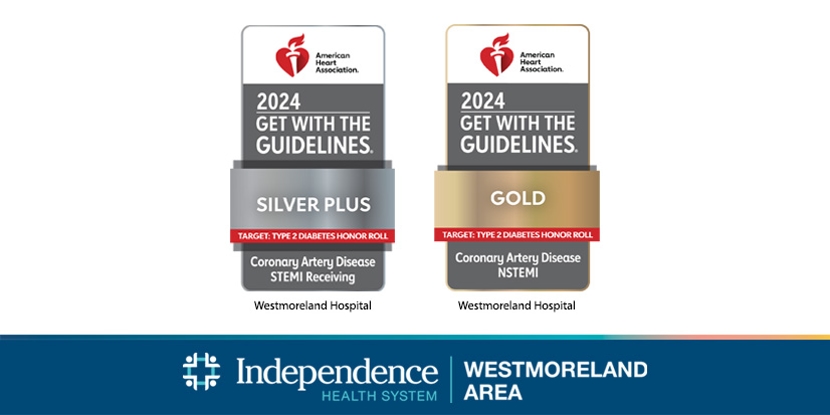
American Heart Association honors health system with Get With The Guidelines® awards for dedication to exceptional evidence-based, life-saving care ...
Continue Reading -
BUTLER, Pa., Oct. 9, 2025 – Independence Health System will host a free cardiovascular health screening event on Saturday, Nov. 1, from 8 a.m. to noon ...
Continue Reading -
GREENSBURG, Pa., July 30, 2025 — Independence Health System has once again earned national recognition for its dedication to exemplary stroke care. ...
Continue Reading -
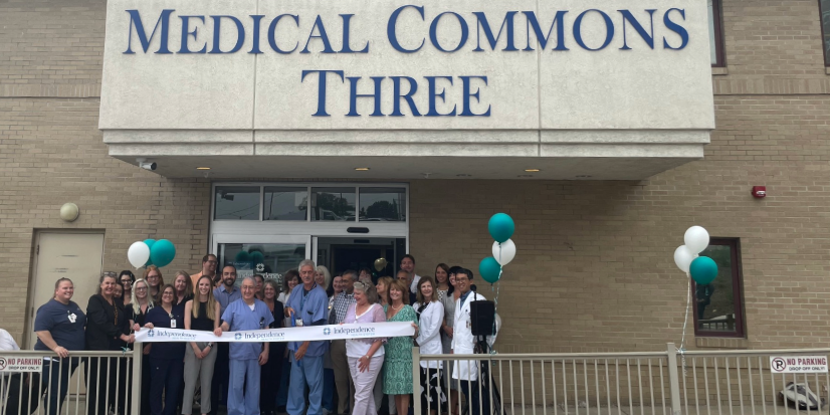
GREENSBURG, PA, June 5, 2025 … Independence Health System (IHS) today announced the grand opening of its expanded Cardiology Services building, ...
Continue Reading -
Robotic Bronchoscopy Aims to Help Enable Earlier Access to Lung Nodules Butler, Pa, May 27, 2025 - For lung cancer patients, early diagnosis is ...
Continue Reading -
BUTLER, PA – May 20, 2025 – Physicians across Independence Health System have once again earned the distinguished honor of being named among ...
Continue Reading -
Clarion, PA, Apr. 25, 2025 – Independence Health System continues to demonstrate its commitment to adhering to the highest standards of care in ...
Continue Reading -
GREENSBURG, PA, March 11, 2025 … Independence Health System (IHS) today announced that the thoracic surgical group of Independence Health System ...
Continue Reading -
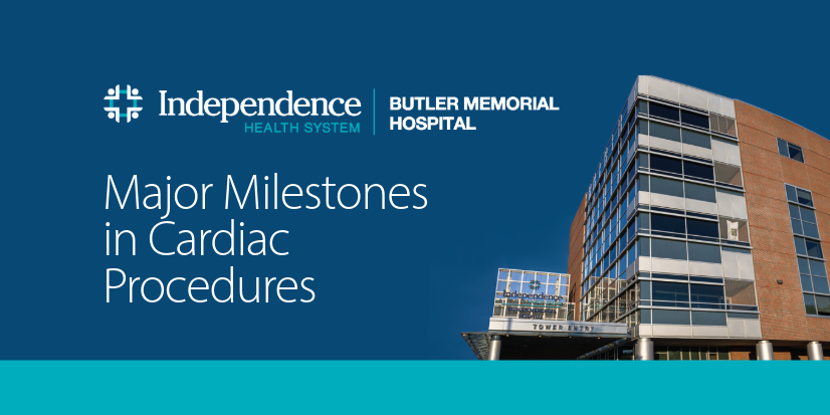
Butler, Pa., March 10, 2025 – Independence Health System is advancing the boundaries of medicine through significant milestones in cardiology, further ...
Continue Reading -
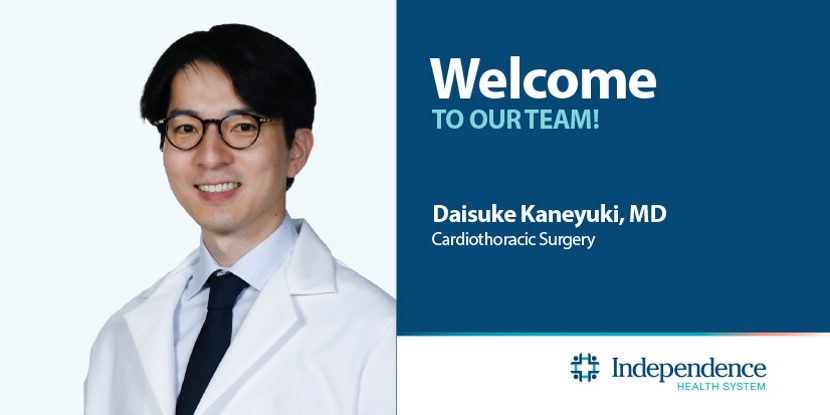
Greensburg, Pa, Mar. 5, 2025 – Independence Health System is pleased to announce the addition of Daisuke Kaneyuki, MD, to its Cardiothoracic Surgical ...
Continue Reading -
Veins are a part of the circulatory system and are the blood vessels responsible for returning blood back to the heart. Maintaining healthy veins is ...
Continue Reading -
Center for Lung, Esophageal & Thoracic Disorders (Thoracic Surgery) Advanced Lung Center GREENSBURG, PA, Feb. 5, 2025 … Independence Health System ...
Continue Reading -
February is “Heart Month”, a time when we can reflect on our eating habits for cardiac health. The American Heart Association (AHA) recommends a diet ...
Continue Reading -
GREENSBURG, PA, Jan. 15, 2025 … Independence Health System’s Westmoreland Hospital today announced that its Heart, Lung & Vascular Institute ...
Continue Reading -
What is cholesterol and what does it do? Cholesterol is a waxy substance found in the body that circulates in the blood. There is a certain level of ...
Continue Reading -
Independence Health System thoracic surgeon Michael Szwerc, MD, shows JoAnn Vasko her lung scan More Americans die of lung cancer every year than from ...
Continue Reading -
Butler, PA – Sept. 3, 2024... Independence Health System continues to enhance its cardiovascular program offerings. In August, Butler Memorial ...
Continue Reading -
BUTLER, PA, Aug. 14, 2024 … Independence Health System is pleased to announce the expansion of its cardiothoracic, vascular and outpatient services at ...
Continue Reading -
GREENSBURG, PA, July 29, 2024 … Independence Health System welcomes three new physicians to the team of cardiovascular specialists diagnosing and ...
Continue Reading -
GREENSBURG, PA, JULY 25, 2024 … Independence Health System continues to receive national accolades for cardiovascular care, this time through the ...
Continue Reading -
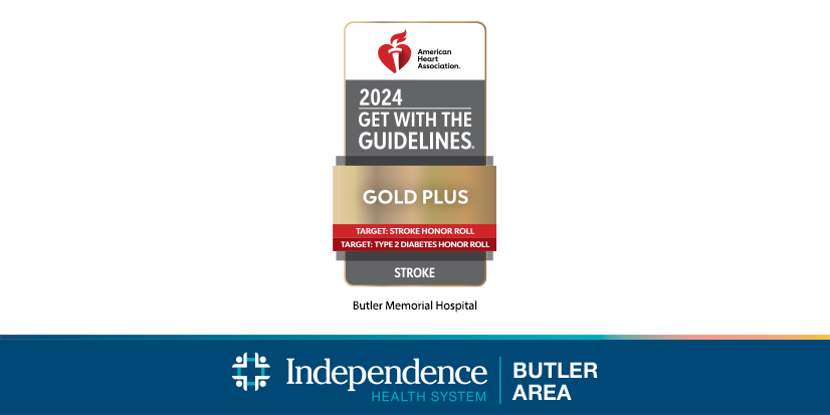
Independence Health System Butler Memorial Hospital has once again received the American Heart Association Get With The Guidelines® - Stroke Gold Plus ...
Continue Reading -
Frick, Latrobe and Westmoreland Hospitals Receive American Heart Association Get With The Guidelines ® - Stroke Gold Plus award for proven dedication ...
Continue Reading -
Independence Health System Butler Memorial Hospital has once again been recognized as a Primary Stroke Center by the Accreditation Commission for ...
Continue Reading -
Latrobe Bulletin: The thoracic surgical group of Independence Health System-Westmoreland Area has once again earned a distinguished three-star rating ...
Continue Reading -
Independence Health System Cardiologists Surpass 400 WATCHMAN™ Implants GREENSBURG, PA, June 17, 2024 …In less than seven months, Thomas Dix will mark ...
Continue Reading -
May is American Stroke Awareness Month During the month of May, Independence Health System encourages everyone to learn the signs and symptoms of a ...
Continue Reading -
GREENSBURG, PA, May 21, 2024 … As many as 8 million Americans are affected by atrial fibrillation or A-fib – an irregular heartbeat that can feel like ...
Continue Reading -
Westmoreland Hospital Among Top 3 in PA for Coronary Intervention Procedures and Among Top 5 in PA for Surgical Care GREENSBURG, PA, January 23, 2024 ...
Continue Reading -
New Minimally Invasive Procedures Become Standard Of Care For Valve Repairs, Heart Defect Closures GREENSBURG, PA, January 22, 2024 … At the height of ...
Continue Reading -
Health System Hospitals Lauded For 21 Clinical Achievements, Including America’s Best Honors in Cardiac Care and Coronary Intervention GREENSBURG, PA, ...
Continue Reading -
Westmoreland Hospital Named Among America’s Best by Healthgrades GREENSBURG, PA, September 18, 2023 … Patients with heart disease need not wonder ...
Continue Reading -
Trib Live: Rick May credits his surgeon, Dr. Hiroyuki Tsukui, with changing his life after he had a heart attack. Doctors found blockage in his heart ...
Continue Reading -
There’s no getting around Dwayne Bogolea’s family history of heart disease: His uncle died of a massive heart attack, his nephews needed stents before ...
Continue Reading -
Rick May has been to Ground Zero, among the hundreds of commercial truck drivers who hauled sifted debris away as part of the recovery efforts ...
Continue Reading -
Latrobe Bulletin: Heart, lung and vascular specialists from Independence Health System Westmoreland Area will share Center Court at Westmoreland Mall, ...
Continue Reading -
Join the region's leading heart, lung, and vascular specialists from Independence Health System as they share their expertise and offer the latest ...
Continue Reading -
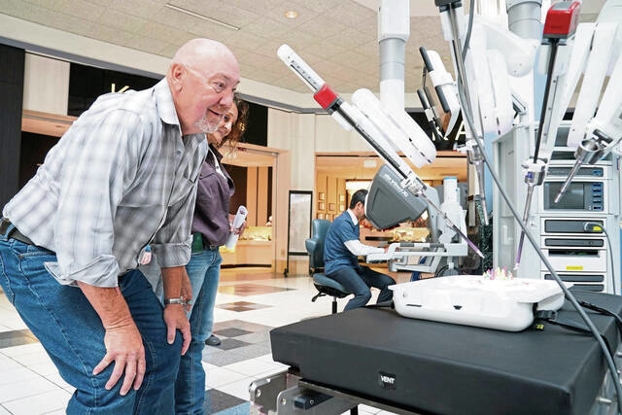
GREENSBURG, PA, August 28, 2023 … Heart, lung and vascular specialists from Independence Health System Westmoreland Area will share Center Court at ...
Continue Reading -
INDEPENDENCE HEALTH SYSTEM CONTINUES TO ACHIEVE NATIONAL RECOGNITION FOR EXEMPLARY HEART AND STROKE CARE American Heart Association Awards Recognize ...
Continue Reading -
BUTLER, PA, JULY 17, 2023 … Independence Health System continues to demonstrate its commitment to offering expert care locally as the cardiovascular ...
Continue Reading -
If you have heart failure, you may be wondering if the Impella 5.5 device could help improve your condition. The Impella 5.5 is a minimally invasive ...
Continue Reading -
Mitral valve surgery is a surgical procedure performed to treat a damaged or diseased mitral valve in the heart. The mitral valve is one of the four ...
Continue Reading -
The Westmoreland/Frick Foundation hosted their annual black tie event at Greensburg Country Club on March 25, 2023. This years event, Black Tie for ...
Continue Reading -
For more than 15 years William Hoy managed his atrial fibrillation with blood thinners and heart rate control medications. The 68-year-old Export man ...
Continue Reading -
Tribune Review: Dr. Nevin Baker discusses how Transcatheter Aortic Valve Replacement (TAVR) replacement is a solution for aortic stenosis at Excela ...
Continue Reading -
Dr. Bassel Sayegh, Electrophysiologist at the Excela Health Heart, Lung & Vascular Institute, discusses electrophysiology services available at Excel ...
Continue Reading -
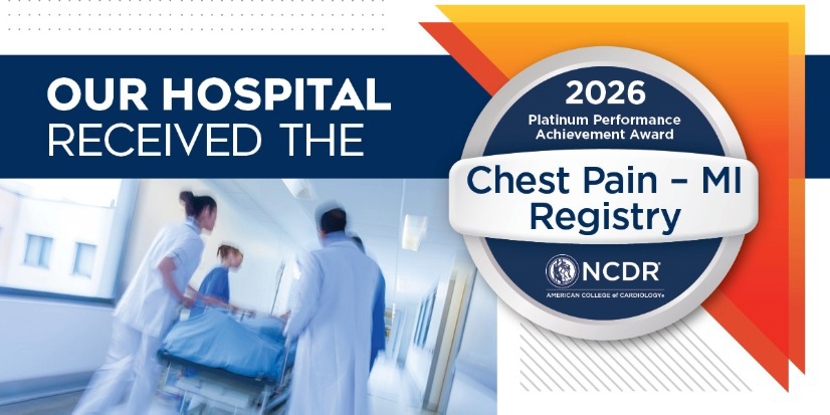
American College of Cardiology NCDR Chest Pain ̶ MI Registry Platinum Performance Achievement Award recognizes sustained excellence in quality care ...
Continue Reading -
BUTLER, PA, June 17, 2026 —Independence Health System’s Butler Memorial Hospital is expanding treatment options for patients with atrial fibrillation ...
Continue Reading -
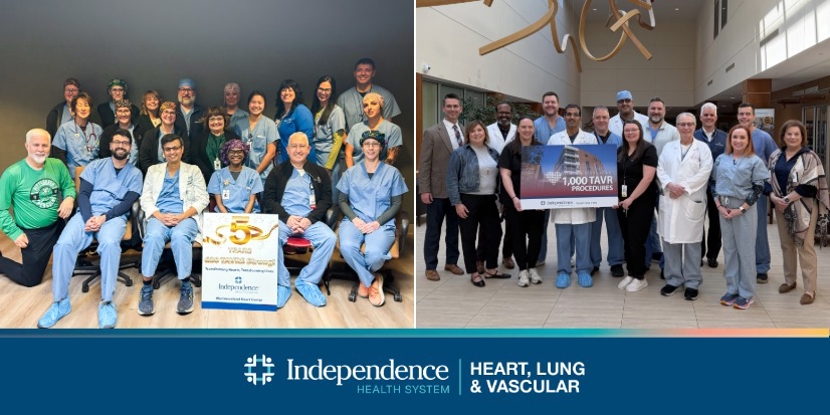
BUTLER, Pa., April, 9, 2026 ─ Independence Health System announced today that its multidisciplinary structural heart teams in Butler and Westmorland ...
Continue Reading -
An unforgettable evening commemorating 50 years of healthcare excellence at Westmoreland Hospital! The room was filled with old friends and new ...
Continue Reading -
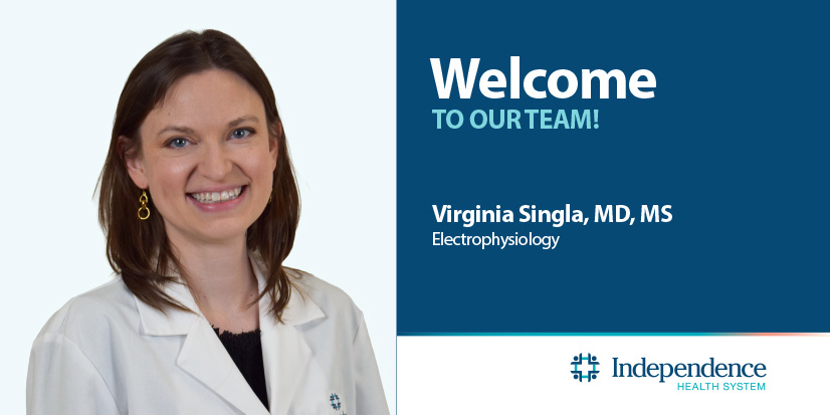
BUTLER, Pa., Feb. 26, 2026 – Independence Health System welcomes back Virginia Singla, MD, MS, to the cardiology team at Butler Memorial Hospital, ...
Continue Reading -
BUTLER, Pa., Jan. 29, 2026 – Independence Health System will host a free cardiovascular health screening event on Wednesday, Feb. 25, from 4:30 p.m. ...
Continue Reading -
BUTLER, Pa., Jan. 12, 2026 — Independence Health System today announced a new strategic partnership with Sharon Regional Health System designed to ...
Continue Reading -
When it comes to protecting your health, there are not many things more important than preventing a stroke. For many people, one of the biggest ...
Continue Reading -
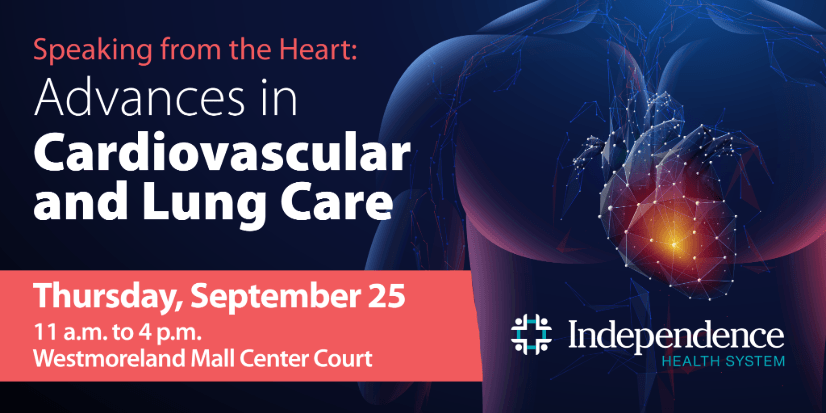
GREENSBURG, Pa, September 18, 2025 … Independence Health System today announced a community education and care event, Speaking from the Heart: ...
Continue Reading -
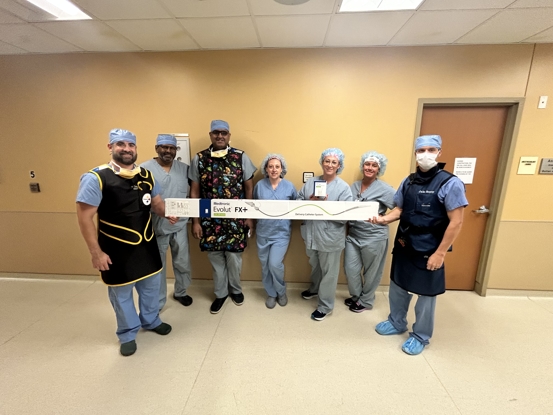
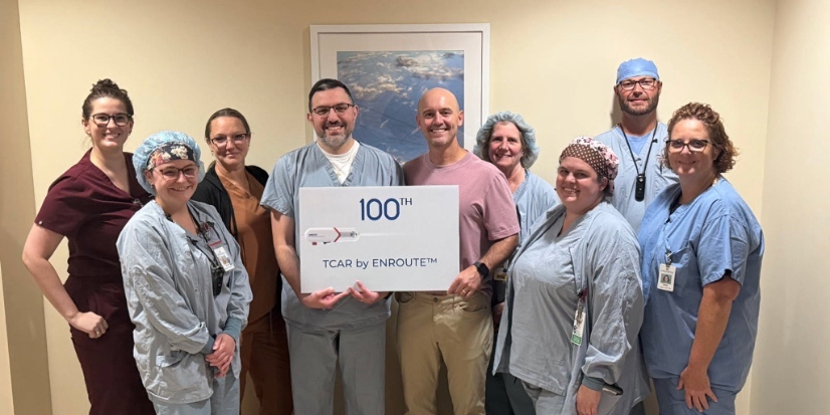
BUTLER, Pa., Sept. 18, 2025 — Independence Health System’s Butler Memorial Hospital has reached a significant milestone, completing its 100 th ...
Continue Reading -
New data demonstrates how Heartflow Plaque Analysis can deliver a clinically meaningful impact by helping clinicians identify the right patients for ...
Continue Reading -
GREENSBURG, PA, September 3, 2025 … Independence Health System (IHS) announced the addition of Leanne Woiewodski, MD, to its cardiology team. Dr. ...
Continue Reading -
GREENSBURG, PA, May 1, 2025 … Independence Health System (IHS) announced that interventional radiologists Michael Akinyemi, MD, and Christopher ...
Continue Reading -
Butler, PA, Mar. 12, 2025 – Independence Health System’s Butler Memorial Hospital and Clarion Hospital are expanding their lung cancer screening ...
Continue Reading
















.jpg)

















.jpg)
/
View All
Related Patient Stories
-
-
-
-
-
-



/
View All
-
-
-
-
-
-
-
-
-
-
-
-
-
-
-
-
-
-
-
-
-
-
-
-
-
-
-
-
-
-

.jpg)




.jpg)





/
View All