Understanding Menopause: What Every Woman Should Know

We want to take an important opportunity to highlight something that women will experience, but many don’t talk much about...menopause. Menopause is a significant, natural biological process that marks the end of a woman’s menstrual cycles. A woman is considered to be in menopause when she has gone 12 consecutive months without a menstrual period. After this point, she can no longer become pregnant naturally.
While menopause is a normal part of aging, it can bring a variety of confusing physical and emotional changes that vary from woman to woman. So, what women can expect, and how can they navigate this phase with confidence and care?
When Does Menopause Typically Occur?
In the United States, the average age of menopause is 51, though symptoms and transitions often begin much earlier, usually in the early to mid-40s. While it may start earlier than many expect, menopause is a normal and healthy part of aging, and with proper medical care and self-awareness, women can navigate this chapter feeling informed and supported.
Recognizing the Symptoms
Menopause often begins with a transitional period called perimenopause, typically starting in the early 40s. During this time, women may begin to notice irregular menstrual cycles and a range of other symptoms.
Some common signs and symptoms include:
- Hot flashes and night sweats
- Palpitations or rapid heartbeat
- Mood changes or irritability
- Insomnia
- Weight gain
- Decreased sexual interest
- Vaginal dryness or discomfort during intimacy
These changes can be frustrating and sometimes confusing. But they’re also very common, and with the right support, women can manage them effectively.
The Importance of Regular Checkups
During this phase of life, annual checkups are more important than ever. Regular mammograms, Pap smears, and physical exams help ensure that any changes a woman experiences are normal and not related to another underlying condition. Sometimes, symptoms that seem related to menopause can be signs of other health concerns. It’s important to establish a baseline and maintain ongoing care.
Tailoring Care to Each Woman
No two women experience menopause in exactly the same way, which is why individualized care is essential. Physicians consider a woman’s medical history, family history, and specific symptoms when determining the best course of treatment. The focus is on listening to what a woman is feeling and finding the right combination of options for her. There’s no one-size-fits-all solution.
Treatment Options
There are many effective ways to manage menopausal symptoms. Depending on a woman’s needs, treatments may include:
- Lifestyle adjustments, including diet, exercise, and stress management
- Over-the-counter remedies
- Non-hormonal medications for hot flashes
- Antidepressants that can also reduce vasomotor symptoms
- Hormone therapy, when appropriate, to balance hormone levels
Women don’t have to suffer through these changes. There are a wide range of tools to help make this transition more comfortable and support overall health.
Menopause represents not just the end of one phase of life, but the beginning of another. With the right information, preventive care, and medical support, women can embrace this transition as an opportunity to refocus on their health and well-being.
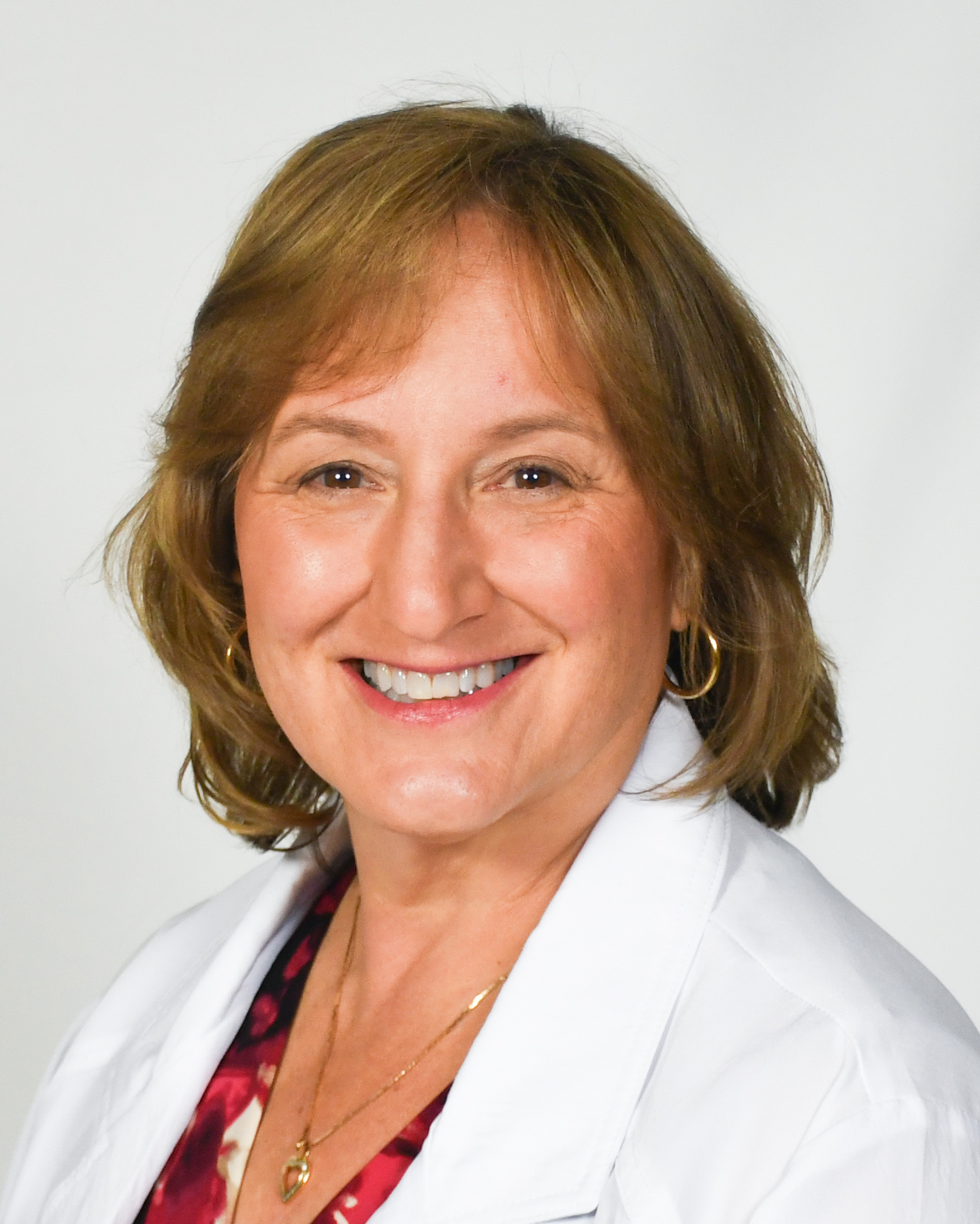
Dr. Lisa Hildenbrand is an OB/GYN in the Westmoreland Area. This blog is based off of an interview she did with KDKA Radio in October 2025. Listen to the interview here.