A Safer Way to Prevent Stroke: How TCAR is Changing Vascular Surgery
- Category: Blog, Heart, Lung & Vascular Care, Vascular Surgery
- Posted On:
- Written By: Abdallah Naddaf, MD

When it comes to protecting your health, there are not many things more important than preventing a stroke. For many people, one of the biggest modifiable risk factors for stroke comes from blockages in the carotid arteries. Carotid arteries are the major blood vessels in the neck that carry blood to the brain. When these arteries become narrowed or clogged, it can increase the risk of stroke, often without warning.
Today we will explore what vascular surgery is, how carotid blockages are detected, and why a newer procedure called Transcarotid Artery Revascularization (TCAR) is proving to be a safer, less invasive treatment option.
What Is Vascular Surgery?
Most people are familiar with the heart and the role it plays as the “engine” of the body. That said, the body’s circulatory system extends far beyond the heart itself. Vascular surgery focuses on the vital network that delivers oxygen and nutrients throughout the body, including arteries, veins, and lymphatic vessels outside of the heart.
When the carotid arteries become narrowed by the buildup of cholesterol, calcium, and other contributors to plaque, tiny pieces of that material can break off suddenly and travel to the brain, causing a stroke. That’s why early detection and prevention are key.
Detecting Carotid Artery Disease
The good news is that carotid blockages can often be identified through a simple, non-invasive ultrasound test. This quick screening allows doctors to see if there is narrowing of the arteries and to determine whether preventative intervention is needed before a stroke occurs.
Risk factors include:
- High blood pressure
- High cholesterol
- Heart disease
- History of vascular disease elsewhere in the body
- Diabetes
- Smoking
Carotid Artery Disease is generally a silent danger without symptoms. Often, you wouldn’t know you have it without looking for it. Sometimes the disease can give subtle warning signs of something just not right neurologically. Those can include brief episodes of tingling, numbness, facial weakness, temporary loss of vision or slurred speech that go away within minutes. These symptoms are indicative of “mini-strokes” or transient ischemic attacks (TIAs). They should never be ignored and require immediate medical attention.
TCAR: A Breakthrough in Stroke Prevention
Traditionally, treating a narrowed carotid artery involved open surgery or placing a stent in the carotid artery through the groin, each with its own risks. TCAR (Transcarotid Artery Revascularization) is a relatively new procedure, first introduced in the United States in 2012, that combines the benefits of both approaches while minimizing the risks.
Here’s how it works:
- A small incision is made just above the collarbone at the base of the neck.
- Instead of navigating stents through the entire network of blood vessels and arteries, the surgeon accesses the carotid artery directly.
- The blood flow is briefly reversed to protect the brain from any loose material during the procedure.
- A stent is placed to open the artery and trap plaque safely against the vessel wall.
This approach makes TCAR less invasive than traditional surgery and safer than stenting through the groin.
Proven Results Close to Home
The team in the Butler area have now performed more than 100 TCAR procedures with much higher safety profiles and excellent outcomes.
- 1% risk of heart attack (non-fatal and did not require additional procedures)
- 1% risk of in-hospital stroke
- 1% risk of nerve injury
These results are on par with the national benchmarks for TCAR and are far safer than traditional approaches. Most patients prefer this procedure and are very pleased with how quickly they recover and the peace of mind they gain from lowering their risk of stroke.
What You Can Do to Protect Yourself
Because carotid artery disease can often be silent, it’s important to know your risk factors and talk with your doctor about whether you should be screened.
You should seek medical care immediately if you ever experience symptoms such as:
- Sudden weakness or numbness in the face, arm, or leg (especially on one side of the body)
- Trouble speaking or understanding speech
- Temporary loss of vision in one eye
- Sudden dizziness, loss of balance, or severe headache
Even if symptoms go away quickly, they could be a warning sign of a future stroke.
The Bottom Line
Vascular surgery plays a critical role in preventing strokes and protecting long-term health. With advanced options like TCAR, patients now have access to a safer, minimally invasive way to treat carotid artery disease.
If you smoke, have diabetes or have other risk factors like high blood pressure, high cholesterol, or heart disease, talk to your doctor about whether a carotid ultrasound screening may be right for you. Early detection and innovative treatments could save your life.
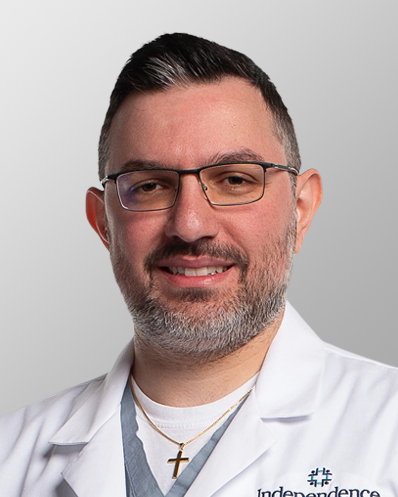

Dr. Abdallah Naddaf is a Vascular Surgeon in the Butler Area. This blog is based off of an interview he did with KDKA Radio in August 2025. Listen to the interview here.